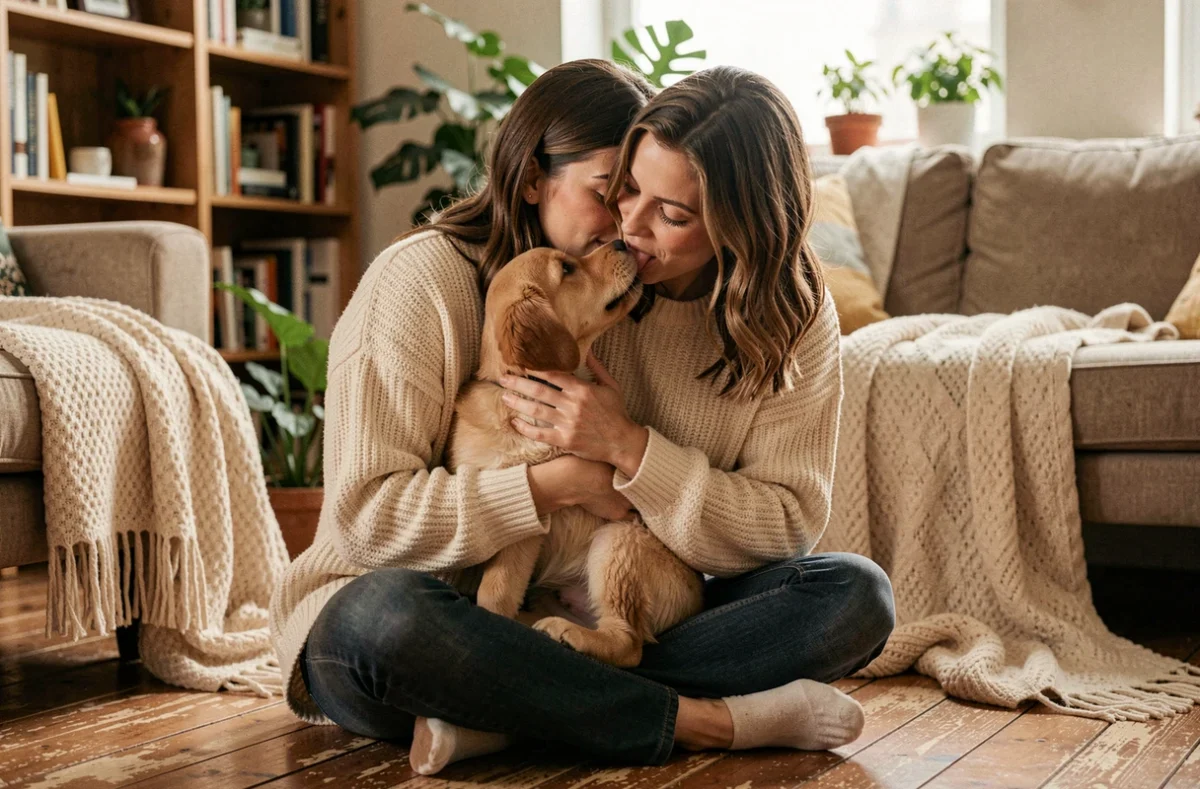
Canine loyalty is rooted in precise neurohormonal mechanisms, not simply in food-related habits. A dog’s attachment to its human caregiver activates the oxytocin system, the same neurotransmitter involved in the parent-child bond. Understanding these mechanisms helps us better anticipate dependency behaviors, tailor socialization protocols, and prevent separation-related problems.
Oxytocin and canine attachment: how neurobiology changes day-to-day care
Prolonged eye contact between a dog and its owner triggers a reciprocal oxytocin loop. This trait sets dogs apart from other domesticated canids: wolves raised by humans do not produce the same hormonal response to eye contact.
In practice, this has direct implications for structuring the day. A dog whose need for eye contact is not met may develop compensatory behaviors such as destructive behavior, excessive vocalization, or compulsive licking. The problem is not a lack of physical exercise, but a deficit in meaningful social interaction.
We have found that enrichment protocols incorporating short eye-contact sessions (three to five minutes, several times a day) significantly reduce these behaviors, including in breeds known for their independence.
Owners browsing the dogs at La Fibre Câline will find a range of profiles, each with specific attachment needs that are best assessed before adoption rather than afterward.
Separation anxiety in dogs: distinguishing healthy attachment from pathological dependency
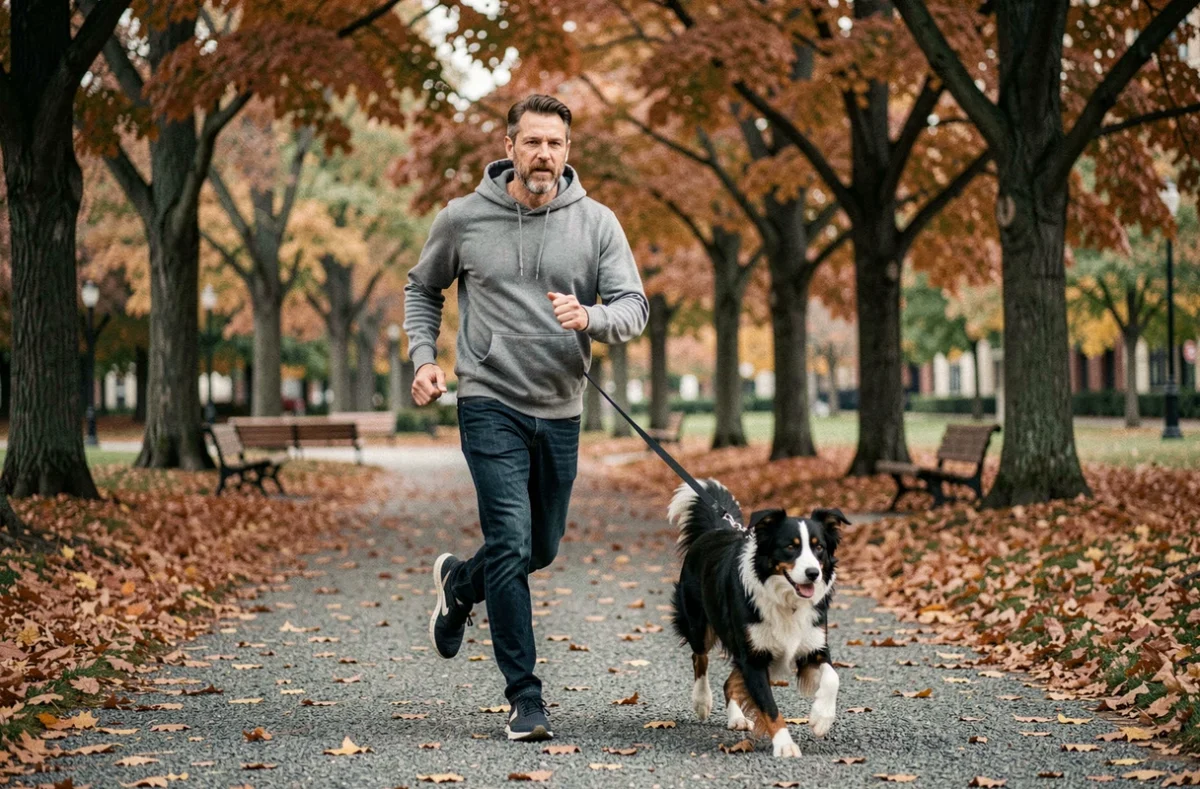
Not every attached dog is an anxious dog. Confusing loyalty with pathological hyperattachment often leads to mistakes in care. A dog waiting by the door for its owner to return is displaying normal attachment behavior. A dog that damages the doorframe within the first ten minutes of being left alone has a distinct behavioral disorder.
Differential diagnosis is based on three observable criteria:
- How soon signs of distress appear after the caregiver leaves (less than fifteen minutes suggests true separation anxiety)
- Whether the dog shows calming behaviors in the presence of another familiar person (an anxious dog is not soothed by someone else)
- The intensity of reunion rituals, which in pathological cases goes well beyond the normal period of excitement
The Labrador Retriever, Golden Retriever, and German Shepherd are among the breeds most affected. Their strong capacity for attachment, often praised as an asset, is also a risk factor for separation-related problems. Responsible breeders now incorporate gradual separation exercises from the socialization period, between three and twelve weeks of age.
Practical challenges of everyday life with a companion dog
A dog’s loyalty does not eliminate logistical obstacles. In France, whether dogs are allowed on public transport, in food shops, and in certain public spaces varies by operator and municipality. A daily companion cannot always go everywhere with their owner, and this reality influences breed choice just as much as temperament does.
Abandonment and changes in an owner’s life
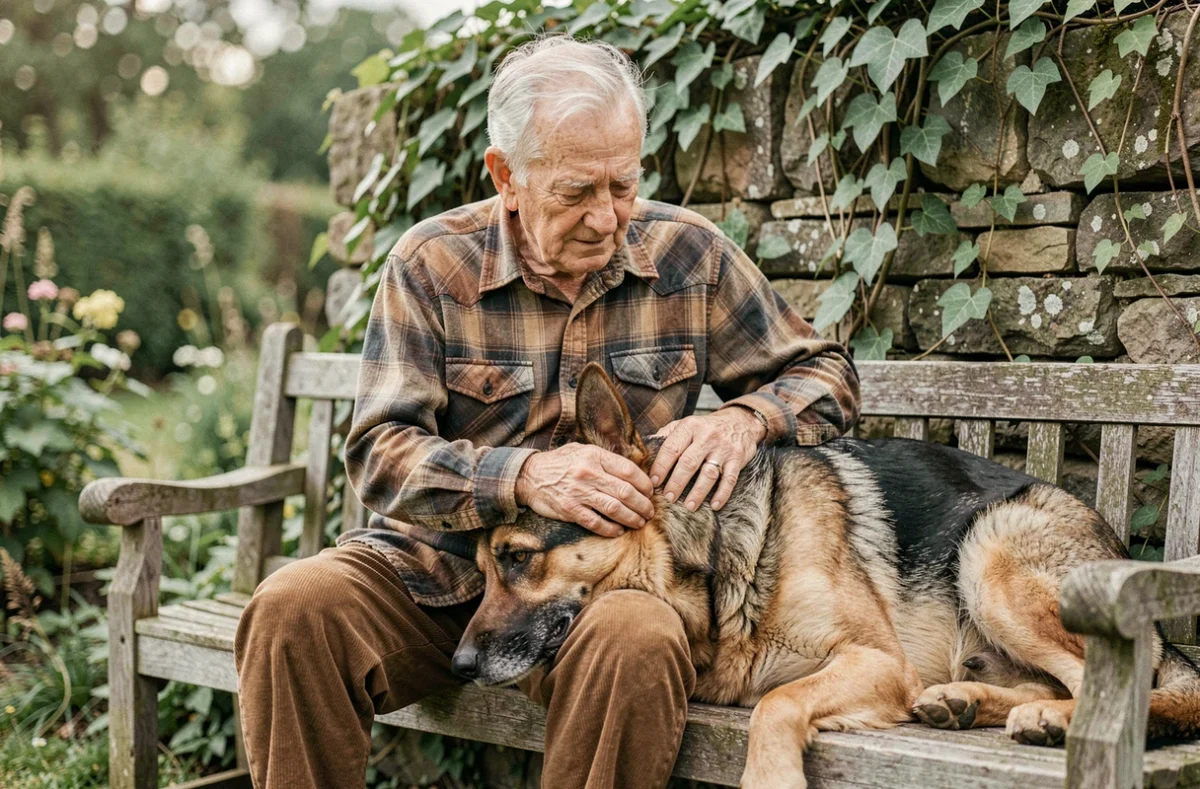
Animal welfare organizations identify changes in an owner’s circumstances as a major cause of abandonment: moving house, separation, a new baby, aging, or death. A dog’s attachment does not protect it from abandonment due to human circumstances. A loyal dog whose owner moves into a care home may be left without a solution if no alternative arrangements have been made in advance.
Animal welfare organizations are facing growing capacity pressures. Adopting a companion dog means having a family or rescue organization as a backup plan from the outset, in case the dog can no longer stay at home.
Identification and an evolving regulatory framework
Microchip identification is already mandatory in France for all dogs. New European rules aim to coordinate identification databases across member states, making it easier to track animals when they travel across borders. Additional requirements apply to Category 1 and 2 dogs: a permit to keep the dog, a behavioral assessment, and specific third-party liability insurance.
Emotional benefits of the human-dog relationship: what research confirms and what it qualifies
Recent research confirms that having a dog reduces physiological stress markers in owners: lower salivary cortisol, a reduced resting heart rate, and improved self-reported sleep quality. These findings are well documented and reproducible.
The qualification is crucial. These benefits do not make a dog a treatment for anxiety or depression. Available studies have methodological limitations, including the frequent lack of rigorous control groups. Presenting a dog as a therapeutic alternative would be an extrapolation that the literature does not currently support.
What living with a dog reliably provides is structure to daily life through care routines. Regular walks, set mealtimes, and social interactions prompted by walks: these beneficial commitments provide a framework for people who are isolated or have lost their bearings.
Choosing a loyal dog: criteria beyond breed
Rankings of loyal breeds (Akita, German Shepherd, Boxer, Beagle) offer a general guide, not a guarantee. An individual dog’s temperament and breeding conditions matter as much as breed genetics. A Labrador that has not been properly socialized between three and twelve weeks of age will develop less capacity for attachment than a mixed-breed dog correctly exposed to human stimuli during this critical window.
Three factors should be assessed systematically before adoption:
- The individual dog’s tolerance for being alone, which can be tested through short trial separations at the breeder’s or shelter’s premises
- How well the dog’s activity needs match the household’s actual lifestyle, not the one its members imagine they will have
- The household’s ability to maintain the relationship throughout the animal’s entire life, which often exceeds ten years for most companion breeds
A loyal dog in everyday life is first and foremost one whose attachment needs match its owner’s actual availability. Breed can guide the choice, but the long-term quality of the relationship depends on how well the individual dog’s profile fits the reality of the household.