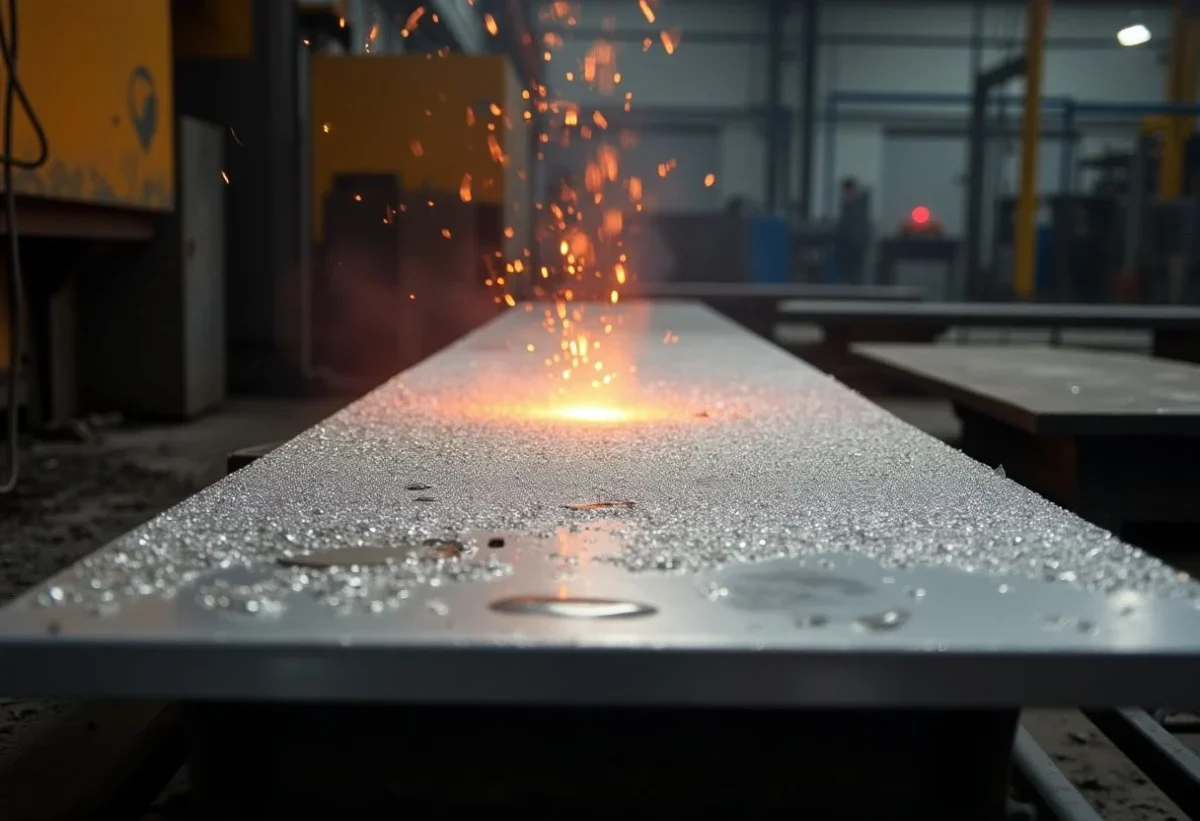
Galvanizing is an essential method for protecting steel against corrosion. By applying a zinc coating to the metallic surface, this process ensures durable and effective protection. How do galvanizing and zinc coating protect steel? What are the different methods used, as well as the benefits for various industrial sectors?
Galvanizing and Steel Protection
What is Galvanizing?
Galvanizing is a surface treatment that involves applying a zinc coating to protect the underlying steel. Corrosion is a scourge for metallic materials, and zinc acts as a protective barrier, thereby extending the lifespan of finished products. Galvanizing comes in several processes, such as electrolytic galvanizing, hot-dip galvanizing, and thermal spraying of zinc.
Importance of Galvanizing for Steel
Steel is widely used in the automotive industry, construction, and many other fields. Without adequate protection, it is vulnerable to corrosion, which can lead to rapid deterioration and high maintenance costs. Galvanizing protects the metal against corrosion by creating a layer of zinc that prevents the oxidation of steel.
The Galvanization Process: Steps and Methods
Hot-Dip Galvanizing Method
Hot-dip galvanizing is a common method that involves immersing steel parts in a bath of molten zinc. This process ensures a uniform thickness of the zinc layer, providing lasting protection. Before immersion, the parts must be carefully prepared to remove any surface impurities, thus ensuring optimal adhesion of the coating.
Electrolytic Galvanizing
Electrolytic galvanizing involves the application of zinc through electrolysis. This method allows for an aesthetic and precise finish, ideal for components where appearance is crucial. The baths used can be alkaline or acidic, offering options tailored to the specific needs of industries.
The Benefits of Galvanizing for Corrosion Protection
Corrosion Resistance
One of the main advantages of galvanizing is its ability to protect against corrosion. The zinc layer acts as a physical barrier and provides cathodic protection, ensuring corrosion resistance even in aggressive environments.
Extended Lifespan of Steel Parts
Thanks to corrosion protection, zinc-coated steel parts benefit from an extended lifespan. This reduces maintenance needs and associated costs while providing a sustainable solution for industrial applications.
Impact of Zinc Coatings on the Performance of Metallic Products
Types of Zinc Coatings
Zinc coatings can be complemented by anticorrosion paints and varnishes, offering additional protection for the most demanding environments. These protective layers help maintain the integrity of steel components.
Applications in Industry
Zinc coatings are widely used in various sectors, including automotive, aerospace, and construction. Each application requires specific standards and certifications, such as ISO standards, to ensure the quality and performance of finished products.