
A garden that remains pleasant twelve months a year relies less on the amount of work done than on the choice of actions at the right time. Maintaining the garden begins with understanding the soil, plant cycles, and the climatic constraints specific to each plot. Adapting practices season after season avoids costly corrective interventions and preserves the vitality of the plantings.
Soil Structure and Fertility: The Foundation Before Planting
Before planting or pruning, the soil deserves special attention. Its texture (clay, sandy, loamy) determines water retention capacity, drainage speed, and nutrient availability for the roots. A compact clay soil suffocates the roots in winter, while overly sandy soil allows water and minerals to drain away.
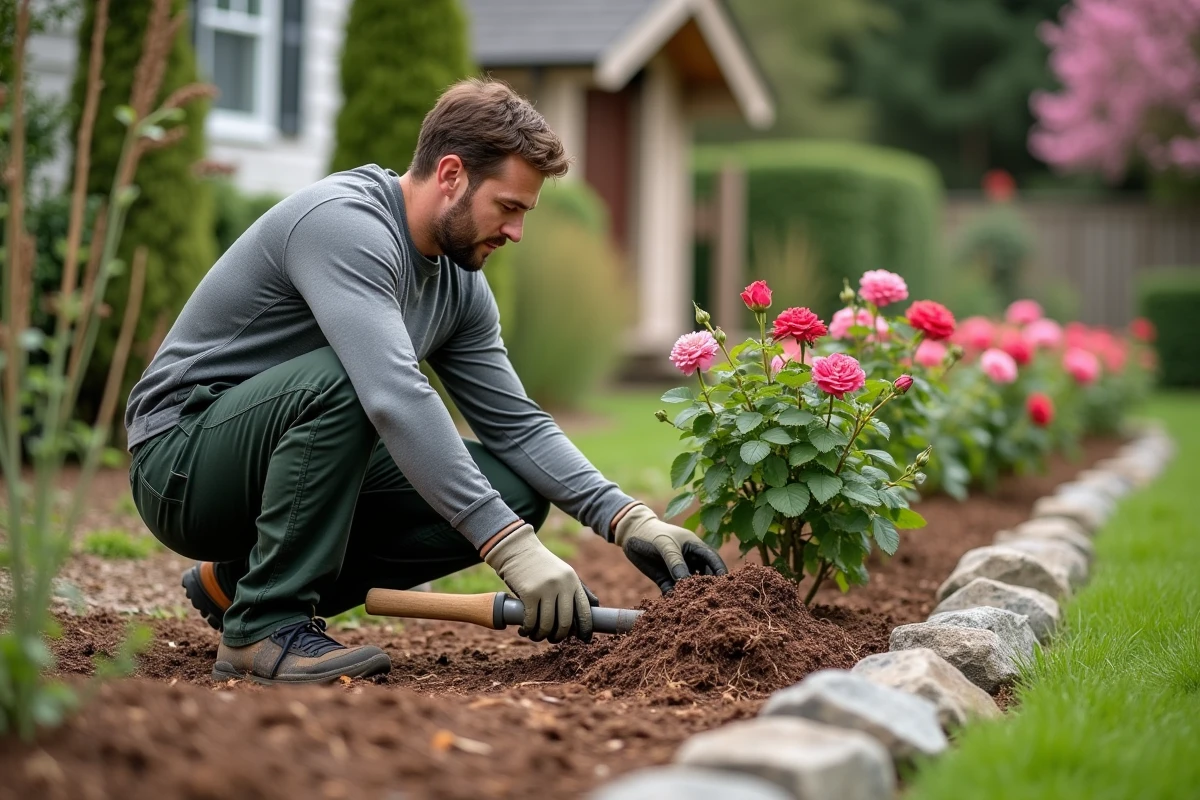
Organic mulching improves soil structure over several seasons. A layer of shredded branches, fallen leaves, or straw limits evaporation, nourishes the microfauna, and reduces the need for weeding. This simple action, repeated in autumn and spring, gradually transforms poor soil into fertile substrate without resorting to chemical amendments.
To delve deeper into amendment methods and fertilization schedules suited to each type of soil, you will find information on the Conseil au Jardin website that details these technical aspects by region.
Adding homemade compost remains the most balanced fertilizer. Green waste from the garden (mowing, pruning, leaves) mixed with kitchen scraps forms an amendment rich in nitrogen and organic matter. Spreading this compost on the surface rather than burying it deeply preserves the biological life of the top few centimeters of soil.
Water-Saving Irrigation: Adapting Water Consumption to Drought Episodes
Recurring droughts and heatwaves in France since 2022 have changed the game. The Ministry of Ecological Transition and ONERC document a fundamental trend: gardeners are reducing traditional summer watering in favor of water-saving practices.
Watering less often but more deeply encourages root development. Daily shallow watering keeps roots near the surface, making them vulnerable to the slightest interruption. A generous watering every three to five days, early in the morning or in the evening, forces roots to go deeper in search of moisture.
- Thick mulch (several centimeters) reduces evaporation and keeps the soil cool even in the height of summer heat.
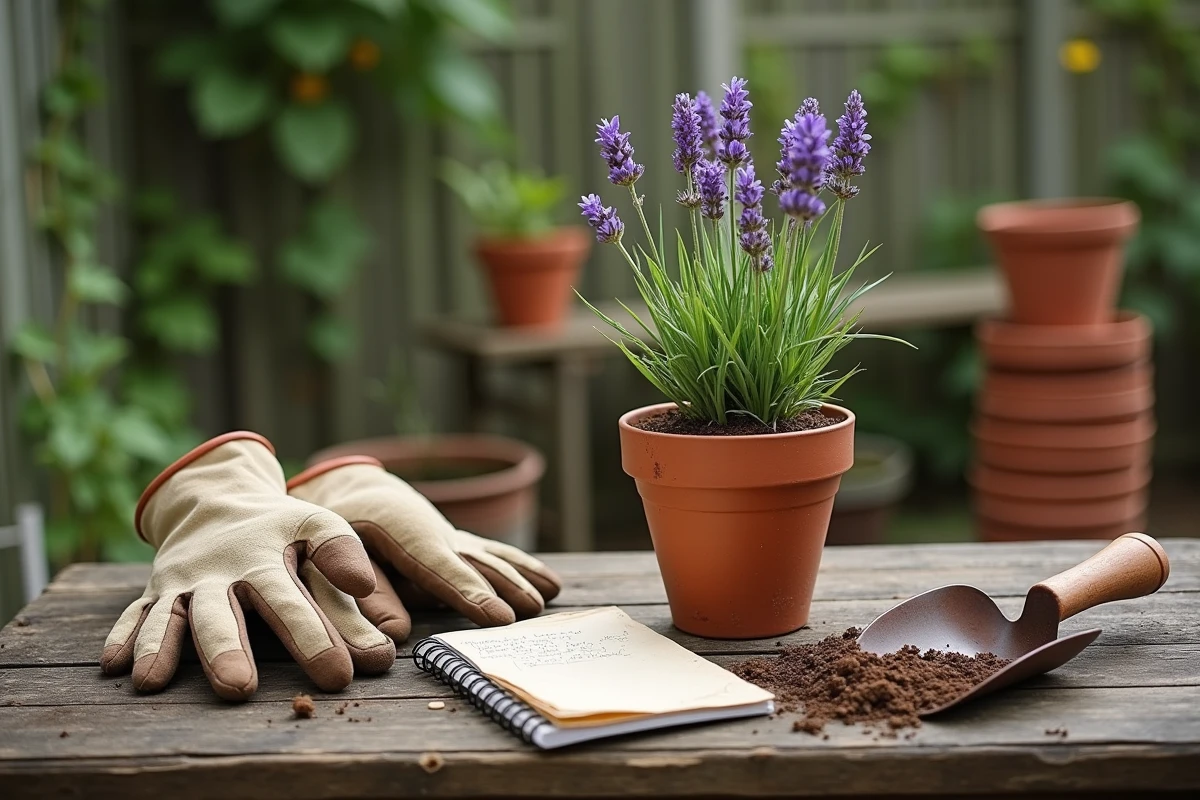
- Mediterranean or local species adapted to drought (lavender, rosemary, yarrow, ornamental grasses) require minimal watering once established.
- Collecting rainwater in tanks provides a free reserve during water restrictions, which are common in many municipalities during summer.
- Voluntarily stopping watering certain areas (non-strategic lawns) allows for temporary yellowing without permanent damage to the grass.
This shift towards a water-efficient garden does not mean giving up on flowering. Resilient perennials offer color all summer with reduced maintenance.
Pruning and Maintaining Shrubs: Schedule and Common Mistakes
Pruning shrubs and fruit trees follows precise biological rules. Pruning at the wrong time compromises the following year’s flowering or exposes the wood to fungal diseases.
Spring-flowering shrubs should be pruned just after flowering, never in autumn or winter. Cutting branches at the end of the season removes already formed buds. Forsythias, lilacs, and spireas fall into this category. In contrast, shrubs that flower on new wood (buddleia, hibiscus) should be pruned in late winter, before new growth begins.
For hedges, two annual prunings are sufficient in most cases: one in June after the first growth, and a second in September. Increasing the number of interventions tires the plant without improving the visual result.
Tools and Cutting Hygiene
A dull pruner crushes fibers instead of cutting them, creating an entry point for pests. Disinfecting the blades between each shrub with burning alcohol limits the spread of diseases from one plant to another. This reflex, rarely applied by amateur gardeners, makes a notable difference in the overall health of the plantings.
Gardening Without Pesticides: Regulatory Constraints and Concrete Alternatives
Since 2019, the Labbé law prohibits the sale and use of most synthetic plant protection products for individuals. Several municipalities go further by banning certain herbicides still allowed by municipal decree. ANSES reminds that inspections now target amateur gardeners, with safety distances to be respected concerning neighbors.
Thermal or manual weeding effectively replaces chemical herbicides. A flame weeder treats gravel paths and terrace joints without residue. For flower beds, false sowing (preparing the soil a few weeks before planting to allow weeds to germinate, then hoeing) reduces weed pressure from the start.
Plant-based manures (nettle, comfrey, horsetail) strengthen plants’ natural defenses against common pests. Their production from garden green waste costs nothing and fits into a logic of recycling organic materials on-site.
Encouraging Garden Beneficials
Ladybugs, lacewings, and hedgehogs naturally regulate aphid and slug populations. Installing a pile of dead wood in a corner of the garden, leaving a strip of tall grass at the edge, or placing an insect hotel creates favorable habitats. A garden that welcomes biodiversity reduces its treatment needs, even biological ones.
Maintaining the garden year-round ultimately comes down to a few stable principles: knowing your soil, respecting pruning cycles, conserving water through suitable plant choices, and renouncing chemical solutions in favor of methods that strengthen the ecosystem. The last point to keep in mind: each plot has its peculiarities, and an effective action for a neighbor may prove useless just a few meters away, simply because exposure or drainage differs.