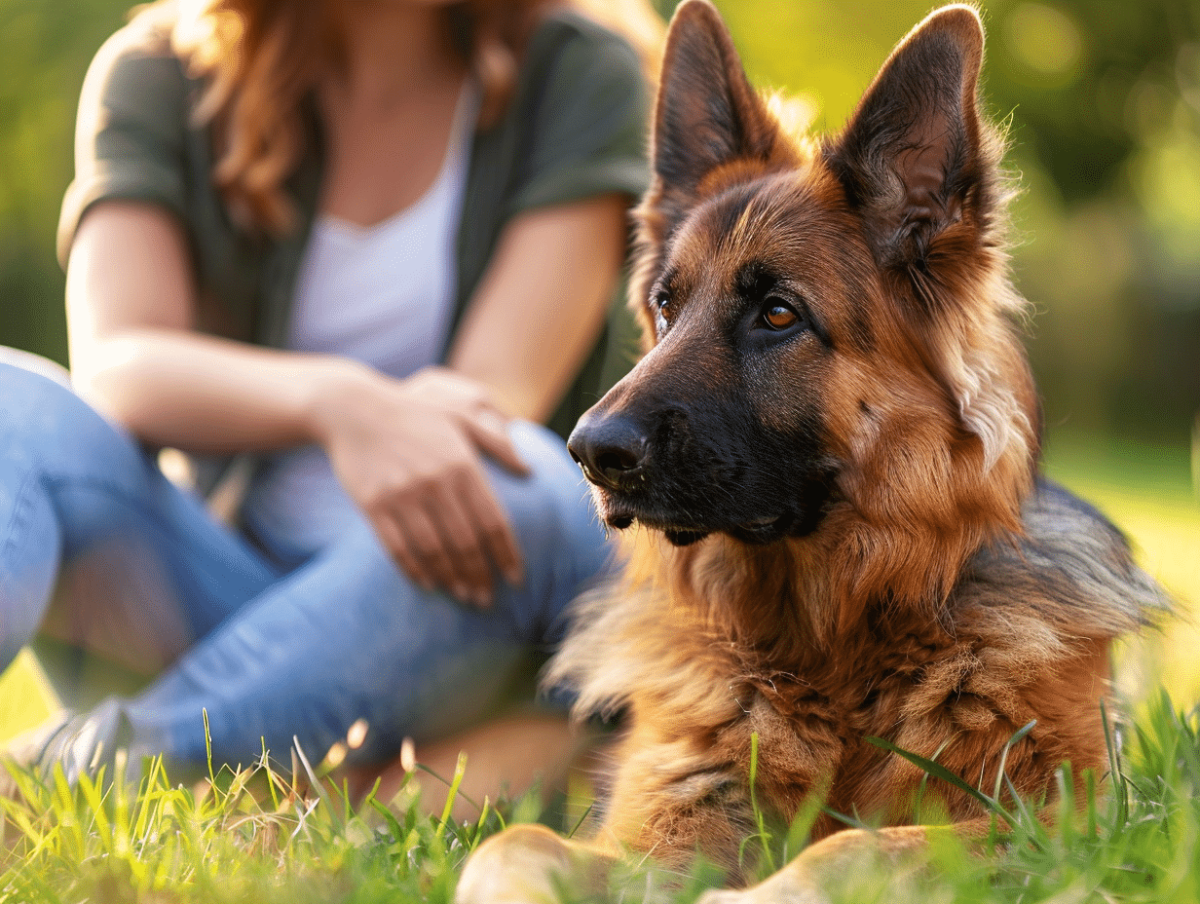
The education and care of German dog breeds, such as the German Shepherd, Doberman, or Schnauzer, require a specific approach to ensure their physical and mental well-being. These breeds, known for their intelligence, loyalty, and need for exercise, necessitate particular attention in terms of training, socialization, and healthcare. Mastering positive training techniques, understanding specific nutritional needs, and recognizing the importance of regular veterinary check-ups are essential for developing a harmonious relationship with these canine companions while preserving their unique characteristics.
Understanding and Meeting the Specific Needs of Your German Dog Breed
The German Shepherd, a dog breed developed by cavalry captain Max Emil Frédéric von Stephanitz, stands out for its combination of courage, intelligence, and balance. Working closely with the Breed Club, established in 1899, von Stephanitz shaped the German Shepherd into a protective and vigilant breed, whose specific physical characteristics require special attention. A black German Shepherd, just like its differently colored counterparts, deserves a tailored approach for its well-being.
Consider that the health of the German Shepherd, as mentioned by the organization SantéVet, is subject to hereditary conditions requiring regular veterinary checks. The longevity of this breed, ranging from 9 to 13 years, can be optimized through appropriate nutrition and careful medical follow-up. Prevent diseases by informing yourself about genetic predispositions and adapting care accordingly.
The robustness and agility of the German Shepherd stem from its well-defined physical attributes. A daily exercise program is therefore essential to maintain its athletic shape and prevent obesity. Engage your companion in stimulating activities such as tracking, searching, or rescue, disciplines in which this breed excels, to maintain its physical and mental condition.
Regular grooming is essential to preserve the health of your dog’s skin and coat. A brush suitable for the German Shepherd’s fur will remove dead hair and prevent tangles, contributing to its neat appearance. Remember that grooming is also a special time to strengthen the bond with your pet and monitor for any potential skin abnormalities.

Training and Socialization Methods for a Balanced and Happy Dog
Training a German Shepherd begins with a deep understanding of its abilities and historical role. Used as a military dog during World War I, this dog proved its versatility and adaptability in demanding situations. This heritage entails a training approach that is both firm and gentle, allowing for the channeling of its protective instinct and sharp intelligence. Training should be consistent, positive, and reinforce the mutual trust between the owner and the animal.
Early socialization is a major focus in the behavioral development of the German Shepherd. Expose your companion to various environments, people, and other animals to cultivate its social ease and prevent the emergence of undesirable behaviors. This breed, known for its work as a guide dog, demonstrates remarkable adaptability and discernment that should be encouraged from a young age.
Grooming, beyond its practical aspect, is a special moment of interaction and learning. It is part of a caring education, where each act of care strengthens the bond of trust and helps the animal get used to human contact. The German Shepherd, with its dense coat, benefits not only from maintained hygiene but also from a routine that prepares it for various handling, useful in its daily life as a cherished pet and an effective collaborator in police and rescue services.